
How to Prevent Foundation Water Damage at Home

A foundation rarely fails because of one dramatic rainstorm. More often, damage begins with water that repeatedly lands in the wrong place: a downspout draining beside the wall, a driveway sloping toward the house, or saturated soil pressing against a basement foundation through spring runoff. Knowing how to prevent foundation water damage means controlling that water before it can affect foundation integrity, interior finishes, or the stability of the surrounding site.
For homeowners in Vernon, the North Okanagan, and the Shuswap, water management deserves attention through every season. Snowmelt, intense summer storms, irrigation, and hillside runoff can all create pressure around a foundation. The right solution depends on the home’s grade, soil, roof area, drainage paths, and existing construction, but the goal stays the same: move surface and subsurface water safely away from the structure.
Start With the Ground Around the Foundation
The grade around a home is the first line of defense. Soil should slope away from the foundation so rainfall and snowmelt naturally move toward a controlled drainage route rather than collecting beside the walls. Even a well-built concrete foundation can face problems when water is allowed to sit against it for long periods.
Look for low areas beside exterior walls, settled landscaping, and garden beds built too high against siding or stucco. These conditions can trap water and conceal where it is flowing. A proper regrade usually starts near the house and maintains a consistent fall away from the building, directing water toward a swale, catch basin, or another approved discharge area.
Do not assume that adding more topsoil always solves the issue. Raising grade carelessly can block weep screeds, cover siding clearance, or direct water against vulnerable exterior finishes. On a sloped property, the solution may require retaining work, surface drainage, or a more carefully engineered route for runoff. The site needs to shed water without creating a new problem for a neighboring property, driveway, or lower section of the yard.
Keep Landscaping From Holding Moisture Against the House
Mulch, shrubs, decorative rock, and planter boxes can improve curb appeal, but they also change how water behaves near a foundation. Keep planting areas from becoming water reservoirs against the wall. Dense vegetation should not hide cracks, downspout outlets, or areas where soil has settled.
Irrigation deserves the same attention. A sprinkler head aimed at the house or a leaking drip line can keep soil saturated long after a storm has passed. Adjust irrigation seasonally and inspect it after winter, especially where lines run near foundation walls or beneath hardscape.
Move Roof Water Well Away From the House
A roof collects a surprising volume of water. When gutters overflow or downspouts terminate at the foundation, that volume is concentrated in exactly the area that should remain as dry as possible. Clean, properly sized gutters and downspouts are basic maintenance, but they are also a major part of foundation protection.
Inspect gutters in spring and fall, and after wind events that may fill them with leaves or debris. Confirm they are securely fastened, pitched toward downspouts, and not leaking at seams. Water spilling over a gutter edge can erode soil, stain exterior finishes, and create a narrow trench beside the house where runoff repeatedly settles.
Downspouts should discharge far enough from the building that water cannot flow back toward the foundation. Extensions can be effective on straightforward lots, provided they do not create a trip hazard or interfere with snow removal. Where extensions are impractical, buried solid drain pipe may carry roof water to a suitable outlet. That pipe must have the correct slope, cleanouts where appropriate, and a discharge location that remains functional during heavy rain and snowmelt.
Avoid connecting roof leaders to a drainage system without understanding its capacity. A perimeter drain designed for groundwater may be overloaded by roof runoff during a storm. In many cases, separating roof water from foundation drainage is the better long-term approach.
Protect Perimeter Drainage Before It Becomes an Emergency
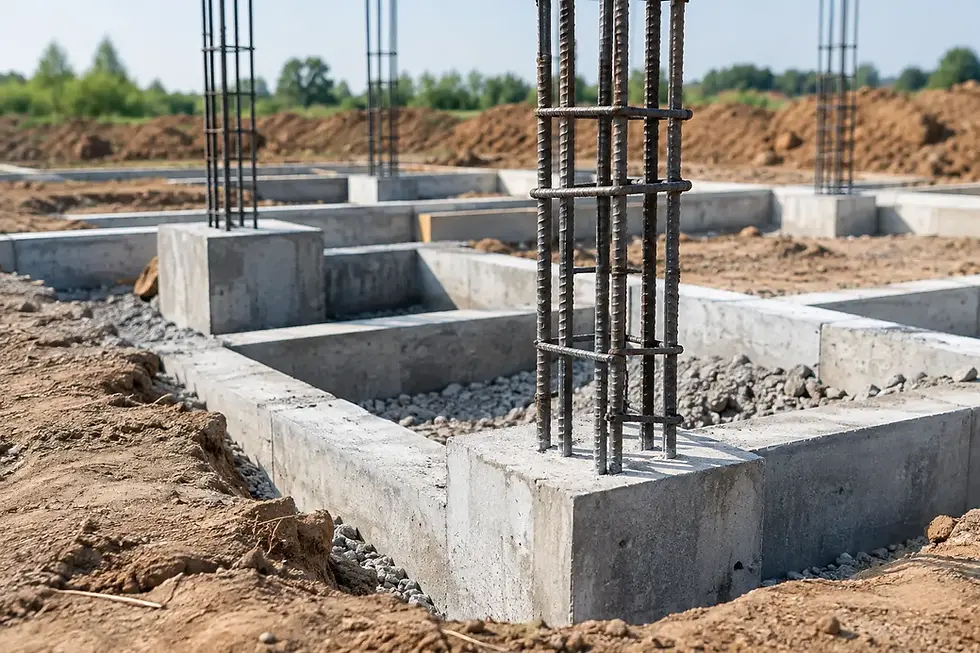
Many homes rely on perimeter drainage to collect groundwater and relieve hydrostatic pressure around below-grade walls. When this system is blocked, damaged, poorly installed, or missing, water can build up beside the foundation. The result may be damp basement walls, seepage at joints, efflorescence, mold, or visible cracking.
Signs of a drainage concern include water entering the basement after rain, persistent musty odors, puddles near foundation walls, or unusually wet ground that does not dry out. These signs do not automatically mean the foundation itself is failing. They do mean the property should be assessed before a manageable drainage correction becomes a major repair.
Older homes may have drain tile that has filled with sediment or roots, while newer homes can still develop issues from crushed pipe, poor outlet conditions, or changes made during landscaping and exterior renovations. Camera inspection and targeted investigation are often more useful than guessing. The right repair might be a localized cleanout, replacement section, new drainage connection, exterior waterproofing work, or a custom-engineered drainage system based on the site conditions.
For hillside homes, drainage is not a cosmetic upgrade. Water moving downhill can build pressure behind retaining walls, cross hardscape areas, and reach the foundation at concentrated points. Surface interception drains, swales, properly drained retaining assemblies, and structural forming designed for the grade can work together to protect the building and the site.
Maintain Concrete, Cracks, and Exterior Joints
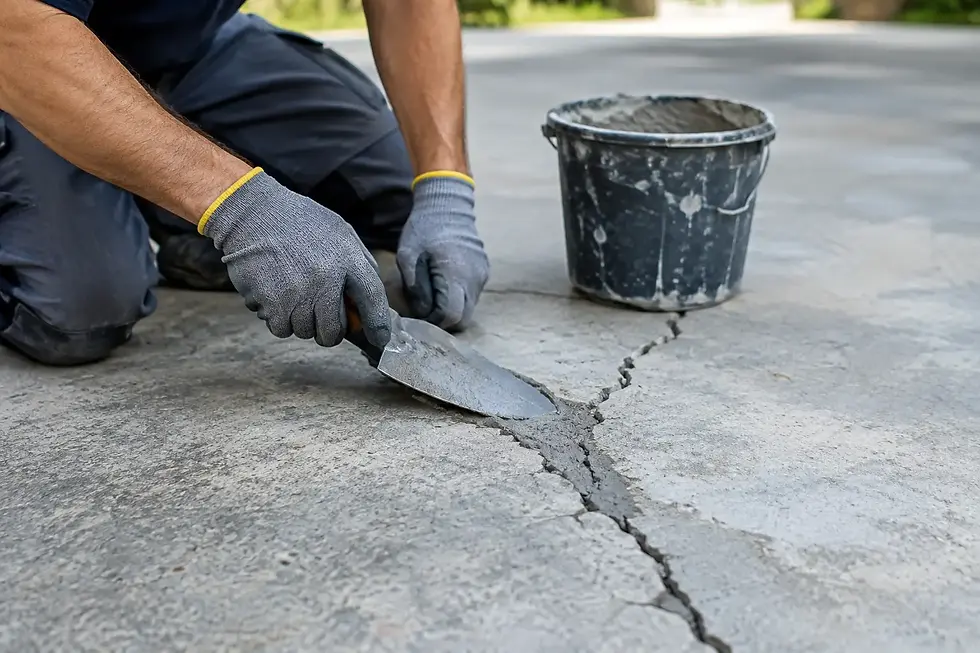
Concrete is durable, but it is not maintenance-free. Small shrinkage cracks are common and do not always indicate structural movement. What matters is whether a crack changes over time, allows water through, or appears alongside other warning signs such as sticking doors, uneven floors, or separation between materials.
Inspect exposed foundation walls, garage slabs, walkways, and exterior concrete each year. Seal gaps around pipe penetrations, window wells, and service entries where appropriate. Replace deteriorated caulking at joints between concrete and adjoining materials so water cannot work behind the exterior assembly.
Keep in mind that a crack repair alone may not stop water intrusion if drainage remains poor. Sealing the inside face of a basement wall can hide a symptom while water continues pressing against the exterior. Effective repair identifies the source of moisture first, then addresses both the water path and the affected foundation detail.
Watch Driveways, Patios, and Walkways
Hardscape can either protect the home or direct water toward it. A patio, driveway, or walkway that slopes back toward the house may send runoff directly to the foundation during heavy rain. Settlement, frost movement, and previous renovations can change drainage patterns gradually, so a surface that once performed well may need correction later.
Look for standing water along garage slabs, entry stairs, and patio edges. Also check whether concrete joints are open or whether water is running beneath a slab toward the house. Depending on the cause, the repair may involve joint sealing, drainage channels, concrete removal and replacement, or a redesigned slope. The most appropriate option depends on the extent of settlement and the condition of the supporting base.
Know When Professional Assessment Is Worth It
Routine maintenance handles many water risks, but some conditions call for a qualified contractor. Repeated basement leaks, active cracks, soil erosion, standing water near the foundation, retaining wall movement, and drainage failures on a hillside should not be treated as weekend patch jobs.
A proper assessment should consider the entire water path: roof drainage, finished grade, landscaping, hardscape, perimeter drainage, foundation walls, and the site’s natural slope. This organized approach prevents spending money on a visible symptom while the actual cause remains untouched.
Rize Construction Ltd. approaches foundation and drainage work with this broader site perspective, combining structural concrete experience with practical drainage planning for demanding residential properties. Clear scope, disciplined scheduling, and durable materials matter because water-control work is only valuable when it continues performing after the crew has left.
Seasonal Checks That Prevent Larger Repairs
Foundation protection is easier when it becomes part of regular property care. Walk the outside of the house during a heavy rain if it is safe to do so. You will quickly see where gutters overflow, where water ponds, and where runoff crosses toward the building. Check again during snowmelt, when frozen ground and rapid thaw can reveal different drainage issues.
Keep gutters clear, extend downspouts where needed, maintain positive grade, and monitor any known cracks or wet areas. Photographing changes over time can also help distinguish a stable cosmetic issue from one that is worsening.
Water will always move through a property. The practical objective is to give it a planned route that protects your foundation, preserves your outdoor spaces, and keeps a small maintenance concern from becoming a disruptive construction project.

Comments