
Basement Leak Causes You Should Not Ignore

A damp basement rarely starts as a small inconvenience. A faint musty smell, white mineral staining on concrete, or water appearing along one wall after rain can point to basement leak causes that are affecting drainage, foundation integrity, or both. Addressing the water path early is usually far less disruptive than waiting until finishes, framing, stored belongings, or structural components are affected.
For homeowners in Vernon, the North Okanagan, and the Shuswap, the right repair depends on what is actually happening outside and below the home. A visible crack may be the entry point, but it is not always the root cause. Water follows grade, soil conditions, drainage routes, and pressure against the foundation. A disciplined assessment looks at the whole system before recommending work.
The Most Common Basement Leak Causes
Poor grading around the foundation
The ground around a home should direct surface water away from the foundation. When landscaping settles, hardscape slopes toward the house, or garden beds are built up too high, rainfall and snowmelt can collect against the basement wall instead of moving away from it.
This is one of the most common and most correctable causes of basement moisture. Water that repeatedly ponds beside a foundation has more time to work through joints, cracks, penetrations, and porous concrete. In heavier rain, it can also increase the load on perimeter drainage.
A proper correction may involve regrading soil, adjusting landscape edges, or rebuilding sections of patio, stairs, or walkways that are sending runoff the wrong direction. The goal is not simply to cover the wet area. It is to establish a reliable slope and drainage route that remains effective through seasonal changes.
Failed or overwhelmed perimeter drainage
Perimeter drain systems are designed to collect groundwater near the foundation footing and carry it to an appropriate discharge point. If the drain is blocked by sediment, damaged by soil movement, improperly sloped, or simply undersized for site conditions, water can build up around the foundation.
That buildup creates hydrostatic pressure. Unlike a brief surface puddle, hydrostatic pressure pushes water against basement walls and slabs for extended periods. Even well-built concrete can allow water through vulnerable joints or minor defects when the exterior drainage system is not doing its job.
Drainage repairs vary widely. Some homes need a targeted cleanout or localized repair. Others require excavation, replacement of failed pipe, washed drain rock, filter fabric, waterproofing work, and a corrected discharge route. On hillside properties, drainage design must also account for water moving downslope toward the structure. A quick patch without a clear plan for where the water will go can create a new issue elsewhere on the site.
Foundation cracks and construction joints
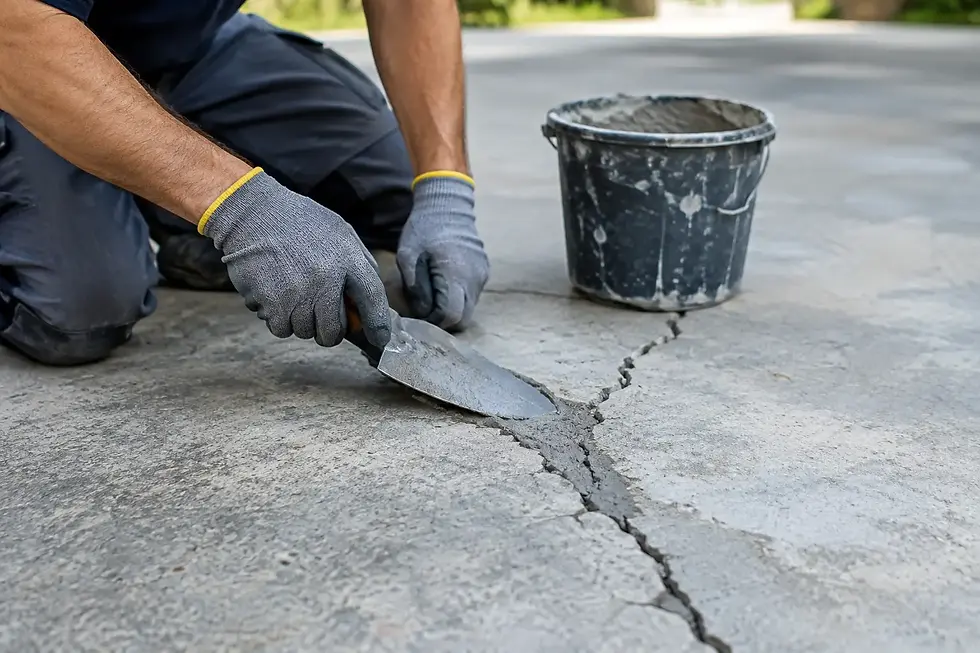
Concrete cracks for several reasons, including normal shrinkage, settlement, temperature movement, and structural loading. Not every crack is an emergency, but any crack that admits water deserves attention. Vertical cracks are common, while horizontal cracks, stair-step cracking in masonry, or cracks that widen over time can suggest greater movement or soil pressure and should be assessed carefully.
Construction joints are another frequent entry point. These occur where separate concrete placements meet, such as between a foundation wall and footing, or where a slab meets a wall. Water often follows the path of least resistance, so a sound-looking wall may still leak at its joint line.
The repair method should match the crack and the water condition. Interior injection can be effective for certain stable cracks. Exterior excavation and waterproofing may be the better long-term option when water pressure, deteriorated exterior protection, or drainage failure is involved. If cracking is related to active movement, repairing the crack alone may not hold. The underlying settlement, drainage, or structural concern must be addressed first.
Roof runoff and downspout discharge
A roof sheds a large volume of water in a short period. When gutters overflow, downspouts are missing, or extensions release water beside the home, that runoff is added directly to the foundation area. This can overwhelm even a functioning perimeter drain during a heavy storm.
Look for splash marks on siding, eroded soil below downspouts, or saturated ground beside basement walls. Downspouts should discharge well away from the foundation without directing water toward a neighboring property, driveway, or slope where it can return to the house. The best route depends on the lot, available elevation, local requirements, and existing drainage infrastructure.
Window wells, below-grade entries, and service penetrations
Basement windows, window wells, exterior stairwells, utility penetrations, and hose connections interrupt the foundation wall. Each location needs correct flashing, sealing, drainage, and surface grading. A window well full of leaves or lacking a drain can become a small reservoir beside the window.
Below-grade entry stairs need particular attention. If the landing drain is clogged or disconnected, water can accumulate against the door threshold and find its way inside. Utility lines passing through the wall can also leak if original seals deteriorate or the surrounding concrete cracks.
These problems may appear highly localized, which can make a focused repair practical. Still, it is worth checking the surrounding grade and drainage before assuming the penetration itself is the only issue.
Plumbing leaks that mimic foundation leaks
Not all basement water comes from outside. A leaking water line, drain pipe, appliance connection, or heating system can look like a foundation leak, especially when the water collects near a wall or travels beneath finished flooring.
Timing offers useful clues. Water that appears after rain or spring thaw usually points toward exterior drainage or groundwater. Water that appears regardless of weather, or worsens when fixtures are used, may be plumbing-related. A professional assessment should rule out interior sources before excavation begins.
Why Water Pressure Matters More Than a Surface Stain
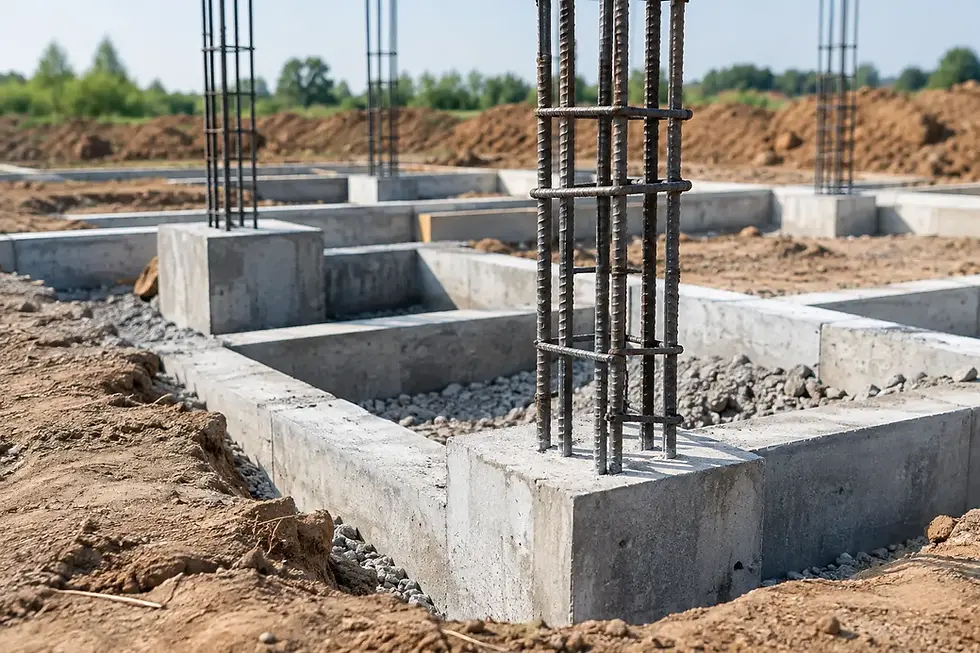
Concrete is strong, but it is not a complete water-management system on its own. Foundations depend on exterior waterproofing or dampproofing, drainage layers, perimeter pipe, proper backfill, and positive surface grading. When one part of that system fails, water pressure can expose weaknesses in another.
This is why painting the inside face of a basement wall is rarely a complete answer to an active leak. Interior coatings may improve appearance or reduce minor dampness in limited situations, but they do not remove groundwater pressure from the exterior side of the wall. If water remains trapped around the foundation, it can continue to travel through joints, cracks, and slab edges.
The trade-off is access and scope. An interior repair can be less disruptive when the problem is a stable, isolated crack. Exterior repairs require excavation and site restoration, but they allow the contractor to correct waterproofing and drainage where the water originates. The right choice is based on evidence, not a one-size-fits-all repair package.
Signs the Problem Needs Prompt Attention
A single damp spot after an exceptional storm does not always mean major foundation work is required. Repeated symptoms should not be ignored, however. Water returning in the same area, persistent musty odor, peeling finishes, mold growth, rusted stored items, or white efflorescence on concrete all indicate ongoing moisture movement.
More urgent signs include visible wall movement, horizontal cracking, soil washing out near the foundation, recurring water after moderate rain, or water entering through a finished basement wall. These conditions can affect more than comfort and storage. They may compromise insulation, framing, indoor air quality, and the service life of the foundation assembly.
Document when the leak occurs, where water first appears, and what the weather was doing at the time. Photos of standing water, downspout discharge, wet window wells, and crack locations can help establish a pattern. That information makes a site assessment more efficient and helps distinguish a drainage issue from a plumbing problem.
A Practical Approach to Basement Leak Repair
Effective repair begins with inspection, not assumptions. The contractor should review the foundation perimeter, site slope, roof runoff, downspouts, window wells, exterior concrete, visible cracks, and drainage discharge. For sloped lots, the assessment should also consider how uphill water is being intercepted before it reaches the house.
From there, the work can be organized around the source. Minor surface drainage corrections may include regrading and extending downspouts. More involved scopes can include excavation, structural concrete repair, foundation waterproofing, perimeter drain replacement, drainage rock, and restoration of hardscape or landscaping. A clear written scope matters because drainage and foundation work can involve several connected components.
Rize Construction approaches these projects with the same discipline used for structural forming and demanding hillside concrete work: identify the water path, protect the property during construction, and build a durable solution around the actual site conditions. Homeowners should expect transparent communication about what is being repaired, why it is necessary, and what disruption is involved before work begins.
A dry basement is not achieved by chasing the stain on the wall. It comes from giving water a dependable route away from the home, protecting the foundation where it is vulnerable, and correcting the conditions that allowed the leak to start.

Comments