
Best Yard Drainage Solutions for Lasting Protection

A wet strip along the foundation, a patio that holds water after every storm, or a lawn that turns soft each spring is more than a nuisance. Water follows gravity, finds weak points, and gradually affects the areas that cost the most to repair. The best yard drainage starts by identifying where water originates, how it moves across the property, and where it can be discharged safely without creating a new problem downhill.
For properties in Vernon, the North Okanagan, and the Shuswap, drainage often has to account for snowmelt, short periods of heavy rainfall, sloped lots, clay soils, and outdoor concrete that must perform through seasonal freeze-thaw cycles. A lasting solution is rarely just a trench and a pipe. It is a coordinated site plan that protects foundation integrity while keeping driveways, lawns, patios, and retaining areas functional.
What Makes the Best Yard Drainage Work
Effective drainage controls surface water and subsurface water before either has a chance to collect beside a structure. That begins with grade. Soil, gravel bases, concrete flatwork, and landscape features should direct water away from the home rather than allowing it to settle against walls, walkways, or garage slabs.
The next requirement is capacity. A small drain may handle a light shower but become overwhelmed during rapid snowmelt or a major summer storm. The pipe size, slope, gravel envelope, catch basin placement, and outlet location all need to suit the volume of water the site receives. On hillside properties, water can build speed quickly, so surface interception and controlled conveyance matter as much as moving the water itself.
Finally, the drainage system must remain serviceable. A buried system that cannot be cleaned, inspected, or accessed at key collection points can lose performance over time. Proper filter fabric, clean drain rock, protected outlets, and accessible basins help prevent silt and debris from turning a drainage investment into an excavation project a few years later.
Start With a Clear Site Assessment
Drainage corrections should not begin with an assumption that a French drain will solve everything. The visible wet spot may be the final collection point, not the source. Roof runoff may be discharging too close to the home, a neighboring grade may be directing water onto the lot, or an undersized swale may be holding runoff where it should be moving.
A practical assessment looks at the entire water path. That includes downspouts, roof valleys, driveway slopes, patio elevations, lawn grades, retaining walls, foundation walls, and the legal or practical discharge location. It also considers what happens in winter. Frozen ground can limit infiltration, while melting snow can send significant water toward a foundation before the surrounding soil has thawed.
For a renovation, site assessment should happen before new concrete, decking, landscaping, or an addition is built. Correcting drainage after a patio has been poured or a garage addition is complete is possible, but it can add demolition, restoration, and avoidable cost. Building the drainage plan into the project scope protects the finished work from day one.
Best Yard Drainage Options for Different Problems
Regrading for surface runoff
Regrading is often the most direct correction when water is pooling near a home because the lot simply falls the wrong way. Soil is shaped to establish positive drainage away from the structure and toward an approved collection area, swale, or lower portion of the property.
This approach works well when there is enough room and elevation to create proper slope. It may not be enough on its own where a neighboring property sheds water onto the site or where hardscape elevations limit how much the grade can be adjusted. Regrading also needs thoughtful restoration so that new topsoil, sod, planting beds, and edging do not recreate the same low spots.
Foundation perimeter drains
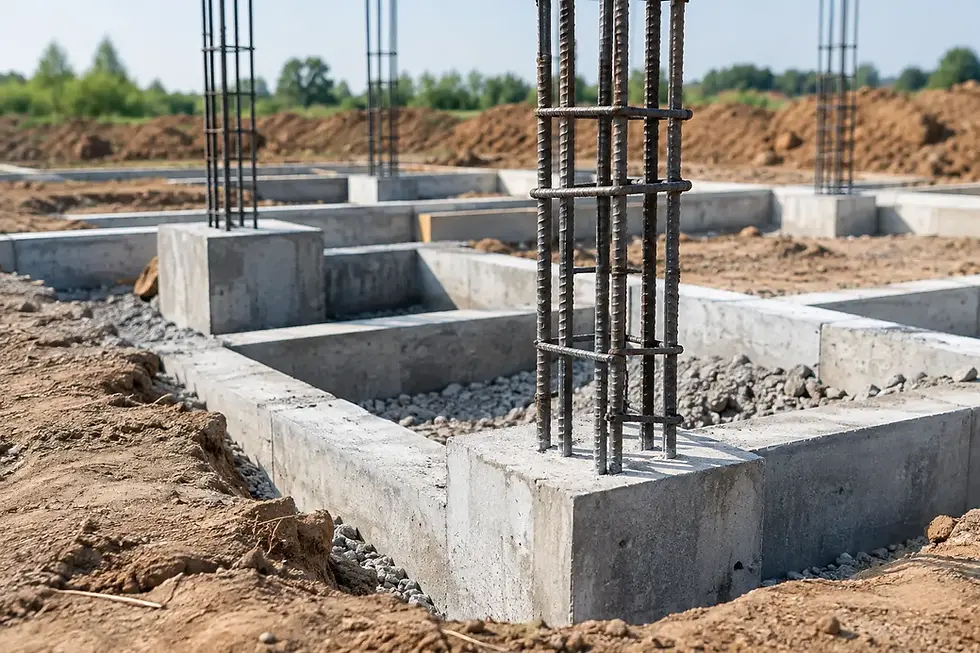
A perimeter drain protects the base of a foundation by collecting groundwater beside the footing and directing it to a suitable outlet. It is a critical part of new foundation construction and can be necessary when an existing foundation shows recurring moisture issues, seepage, or hydrostatic pressure.
This is not a cosmetic repair. Proper installation requires excavation, correctly sloped perforated pipe, clean drain rock, filter fabric where appropriate, and careful backfill. If foundation waterproofing or dampproofing has failed, the work may need to address that protection at the same time. Installing a drain without resolving wall defects can leave the underlying issue only partly corrected.
French drains for wet lawns and landscape areas
A French drain is a gravel-filled trench containing perforated pipe that intercepts water moving through soil. It can be effective for chronically wet lawns, planting beds, and areas near retaining features where water is migrating below the surface.
Its success depends on placement and outlet. A French drain installed at the lowest point of a soggy lawn may collect water, but without a reliable path for discharge, it can become a buried reservoir. In many cases, it performs better when positioned upslope to intercept water before it reaches the problem area.
Channel drains and catch basins for hard surfaces
Driveways, garage entries, stair landings, and concrete patios collect and concentrate surface runoff. Channel drains and catch basins are designed for these situations. A channel drain installed at the base of a sloped driveway can stop water from entering a garage, while strategically placed catch basins can collect runoff at low points and route it through solid pipe.
These systems need durable grates, appropriate load ratings, and cleanout access. Concrete work also needs to be finished with intentional slope. A drain cannot compensate for flatwork that directs water away from the collection point.
Swales, retaining drainage, and hillside controls
A shallow swale can move surface water across a property without relying entirely on buried pipe. It is often useful along lot lines, below slopes, or around large landscape areas. On challenging hillside sites, swales may work alongside interceptor drains, retaining wall drainage, and engineered discharge routes.
Retaining walls require special attention. Water trapped behind a wall adds pressure and can contribute to movement, staining, and failure. Drain rock, filter fabric, perforated pipe, weep provisions where required, and a protected outlet are part of the wall system, not optional extras.
Where Yard Drainage Projects Go Wrong
The most common mistake is sending water somewhere without confirming that it can safely go there. Directing runoff toward a neighbor, a sidewalk, a driveway that freezes, or the base of a slope can trade one issue for another. Local requirements, easements, existing municipal infrastructure, and site conditions should all be considered before an outlet is selected.
Another mistake is mixing drainage materials carelessly. Perforated pipe is intended to collect groundwater; solid pipe is typically used to carry collected water to its outlet. Using the wrong pipe in the wrong location can allow water to escape where it should be contained, or prevent it from entering where collection is needed.
Poor installation sequencing also creates problems. Drainage should be protected during construction so heavy equipment does not crush pipe, contaminate drain rock, or alter final grades. When concrete slabs, framing, foundation work, and exterior drainage are coordinated under a clear scope, the site is easier to manage and the final elevations are more reliable.
Drainage and Concrete Must Be Planned Together
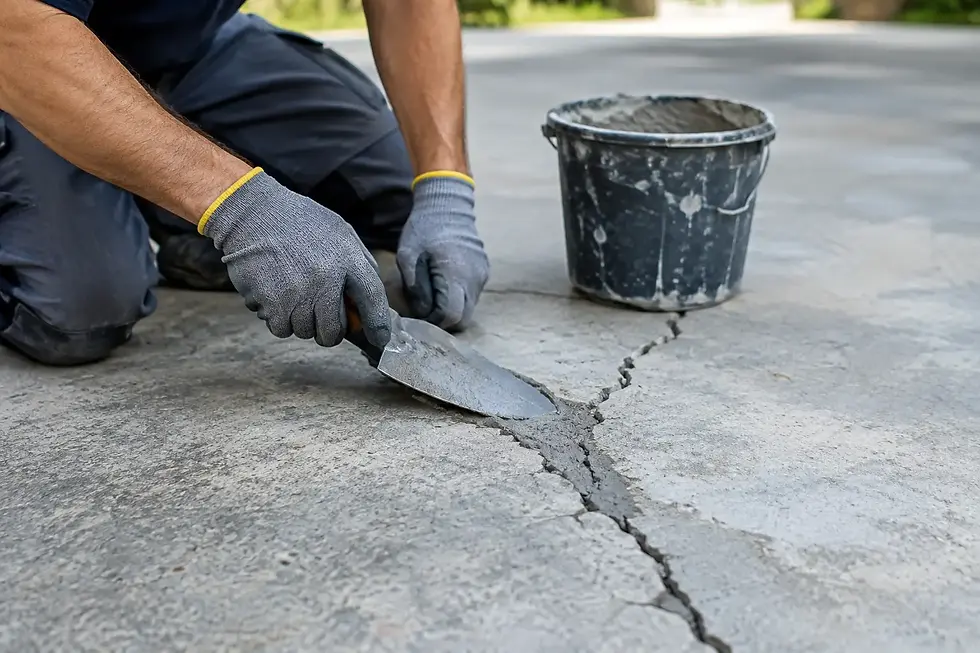
Concrete is durable, but it is not immune to water-related movement below it. Saturated soils can contribute to settlement, heaving, erosion at slab edges, and water entry at garage doors or foundation joints. A new driveway, patio, stair system, or garage slab should be designed with both structural support and drainage performance in mind.
That means preparing a stable granular base, establishing correct finished elevations, incorporating control joints and expansion details where needed, and ensuring runoff has a clear route. On a custom outdoor project, a well-placed drain can be visually unobtrusive while doing important work behind the scenes. On a foundation project, drainage is one of the measures that helps preserve the structure long after the forms come off.
Rize Construction approaches drainage as part of overall site protection, particularly where concrete, foundations, slopes, and exterior improvements meet. Clear scope planning and disciplined installation help clients understand what is being built, where water will go, and how the finished work protects their property.
Know When Professional Drainage Work Is Needed
A homeowner can often extend a downspout, clean a surface drain, or correct a minor landscape low spot. Professional assessment is warranted when water enters a basement or crawlspace, pools repeatedly at the foundation, affects a retaining wall, crosses a driveway toward a garage, or causes erosion on a slope.
It is also wise to bring drainage into the conversation before a major exterior project begins. The cost of doing it properly during excavation or concrete preparation is generally more predictable than correcting concealed water issues after the new work is complete.
A dry, stable property is built through deliberate grades, properly installed drainage components, and an outlet that makes sense for the site. When water has a planned route, the foundation, concrete, and outdoor spaces have a far better chance to perform as intended for years to come.

Comments