
Concrete Sealing Services for Driveways That Last

A driveway can look sound from the street while slowly taking on moisture, road salt, oil, and freeze-thaw damage. Professional concrete sealing services for driveways address that exposure before it turns into scaling, stubborn staining, surface wear, and costly repair work. For property owners in Vernon, the North Okanagan, and the Shuswap, sealing is not simply a cosmetic finish. It is a practical maintenance decision that helps protect an investment exposed to changing seasons and daily vehicle traffic.
A proper result depends on more than applying a sealer. The slab must be assessed, cleaned, prepared, and treated with a product suited to its condition and intended use. The goal is a driveway that sheds water more effectively, resists common contaminants, and maintains a clean, consistent appearance without compromising traction or trapping existing moisture.
What Driveway Sealing Actually Protects
Concrete is durable, but it is not impermeable. Its pore structure can absorb water, oil, deicing chemicals, dirt, and other contaminants. When absorbed water freezes, it expands. Over repeated winter cycles, that movement can contribute to surface deterioration, small cracks, and flaking known as scaling.
A quality sealer reduces the rate at which water and contaminants enter the concrete. On a newer driveway, this helps preserve the finish and simplify ongoing cleaning. On an older slab, it can slow further weathering after needed repairs and surface preparation have been completed.
Sealing is especially worthwhile where driveways are exposed to snow, gravel, vehicle drips, shaded areas that remain damp, or runoff from surrounding grades. It also supports the appearance of decorative concrete, including exposed aggregate, broom-finished slabs, colored concrete, and stamped features. The right product can bring out the character of the surface without making it look artificial or overly glossy.
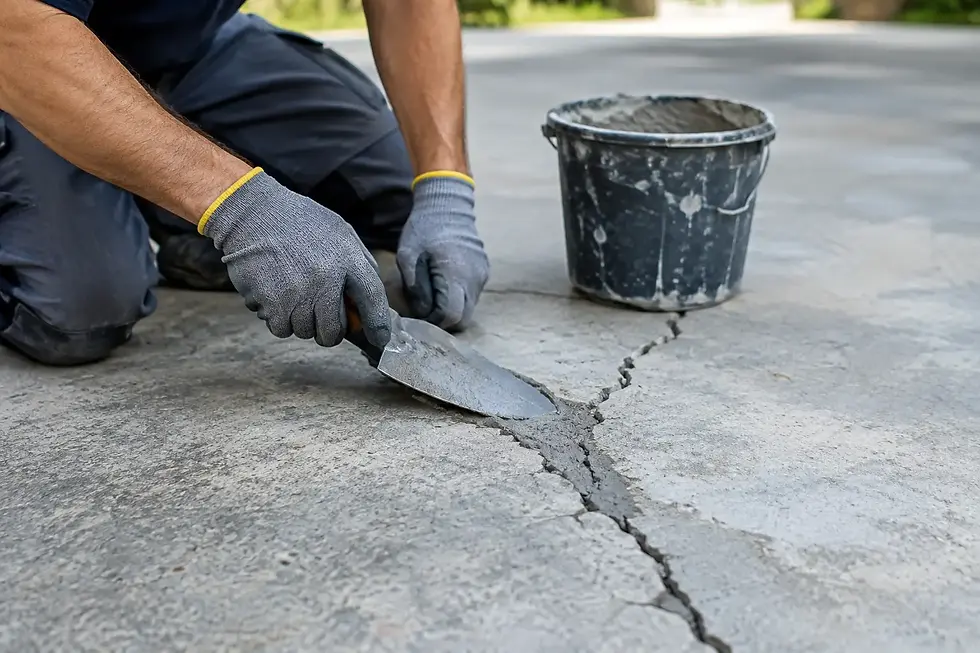
That said, sealing is not a substitute for structural repair. A slab with active movement, significant settlement, poor drainage, extensive delamination, or deep cracking needs a broader assessment first. Water management, base stability, joint condition, and the source of movement all matter. Applying sealer over unresolved defects may improve appearance temporarily, but it will not restore foundation integrity or correct a failing driveway base.
Choosing the Right Sealer for a Driveway
There is no single sealer that fits every concrete driveway. The best choice depends on the concrete finish, its age and condition, the amount of vehicle traffic, drainage patterns, desired appearance, and maintenance expectations.
Penetrating sealers for natural protection
Penetrating sealers are designed to move into the concrete rather than remain as a visible coating on top. Many homeowners choose this approach when they want water repellency and salt resistance while keeping the original color and texture of the concrete. Because the surface appearance changes very little, penetrating products are often a practical option for standard broom-finished driveways.
These sealers can perform well in areas with freeze-thaw exposure, but surface preparation still matters. They must be applied to clean, dry concrete and allowed adequate cure time. They also do not conceal existing stains, patchwork, or surface inconsistencies.
Film-forming sealers for enhanced appearance
Film-forming sealers create a protective layer at the surface and can deepen color or provide a wet-look finish. They are commonly considered for decorative concrete and exposed aggregate, where visual enhancement is part of the objective.
The trade-off is that film-forming products require more careful product selection and maintenance. A coating that is too glossy or poorly matched to the surface can affect traction, wear unevenly in tire paths, or require stripping before resealing. For driveways, an appropriate slip-resistant additive and a professional application process are often essential.
The condition of the slab matters
A newly placed driveway needs time to cure before it is sealed. The correct timing varies by concrete mix, weather, finish, and sealer type. Sealing too early can interfere with moisture release and leave the surface vulnerable to appearance issues or poor adhesion.
Older driveways need a different approach. Oil spots, tire marks, old coatings, efflorescence, and contamination can all affect the outcome. A contractor should identify these conditions before recommending a product, rather than treating every slab with the same method.
Preparation Is Where Long-Term Performance Begins
The quality of concrete sealing services for driveways is largely determined before the sealer is applied. If dirt, oil, moisture, loose material, or failing old coating remains on the surface, the new treatment cannot perform as intended.
The process begins with an on-site review of the driveway. This includes checking for cracks, spalling, surface scaling, joint deterioration, drainage concerns, and areas where water collects. A driveway that regularly holds water at the garage entrance or along one edge may need drainage correction or localized concrete repair before sealing is considered.
Cleaning removes dirt, organic growth, vehicle residue, and contaminants that can block sealer penetration or adhesion. Depending on the surface, preparation may involve pressure washing, degreasing, mechanical abrasion, or removal of previous coatings. Repairs should be compatible with the existing concrete and allowed to cure properly before the final treatment is applied.
Weather also affects the work. Concrete should be dry, and temperatures must fall within the sealer manufacturer’s requirements during application and curing. Scheduling around rain, overnight temperatures, direct sun, and expected vehicle access is part of organized project planning. A rushed application on a damp slab can leave behind whitening, inconsistent finish, or early failure.
Drainage and Sealing Work Together
A sealed driveway is better protected, but it cannot overcome poor site drainage. Water that runs toward the garage, ponds at low spots, or saturates the slab edges will continue to create problems. In hillside properties and sloped North Okanagan sites, drainage planning can be as important as the concrete surface itself.
Effective solutions may include adjusting grades, improving downspout discharge, installing drains, or directing runoff away from the driveway and structure. Where water has affected the subgrade, the scope may need to include concrete removal, base preparation, and replacement rather than surface maintenance alone.
This is why driveway assessments should consider the whole exterior system. Concrete, drainage, retaining conditions, and adjacent landscaping influence each other. Addressing the source of water protects the driveway and helps prevent moisture from being redirected toward foundations or garage walls.
How Often Should a Driveway Be Resealed?
Resealing intervals depend on the product used and the driveway’s exposure. A penetrating sealer may provide several years of protection, while some film-forming finishes need more frequent maintenance, particularly on heavily traveled areas or surfaces exposed to snow removal, deicing products, and direct sun.
Rather than relying on a fixed calendar date, watch how the driveway behaves. If water no longer beads or darkens the concrete quickly, the protective treatment may be wearing down. Fading in decorative finishes, increased staining, or visible wear in tire paths can also signal that it is time for an evaluation.
Routine care extends the life of any sealer. Sweep abrasive sand and gravel away, clean fuel and oil drips promptly, avoid harsh chemical cleaners unless they are appropriate for the sealed surface, and use deicing products carefully. Not all ice-melt products are concrete-friendly, and repeated exposure can contribute to damage even on sealed slabs.
A Professional Scope Brings Clarity to the Work
For homeowners, driveway sealing should be straightforward: clear assessment, defined preparation, appropriate materials, orderly site protection, and realistic curing instructions. For builders and property managers, it should also fit the schedule without creating uncertainty around access, other trades, or final turnover.
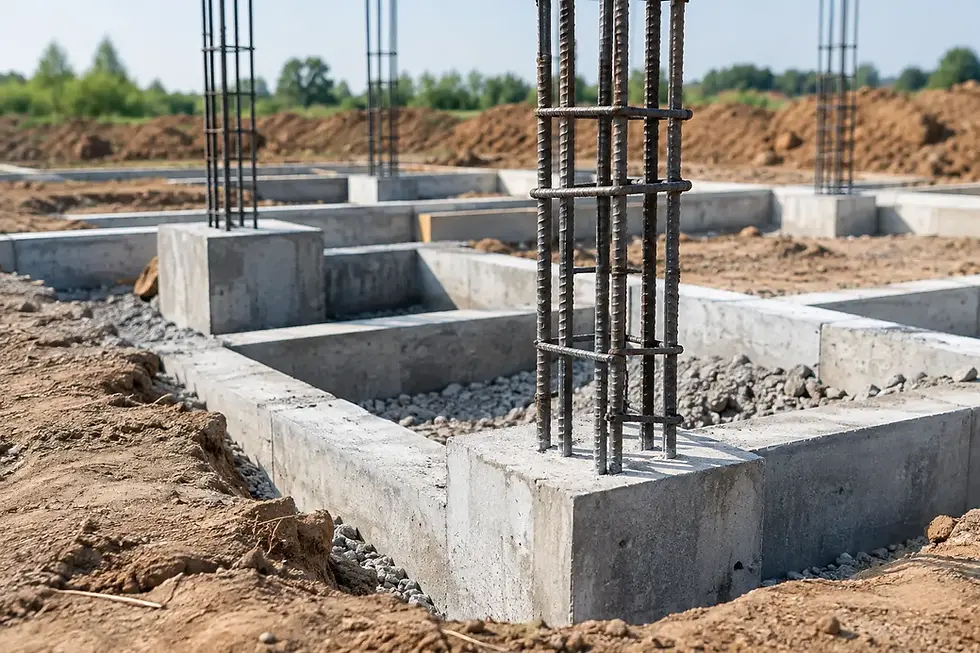
Rize Construction approaches concrete maintenance with the same practical discipline applied to structural forming, drainage systems, and exterior concrete work. A defined scope helps establish what the sealer can reasonably accomplish, whether repairs or drainage corrections are needed first, and how the driveway should be cared for after completion. Fixed-price clarity and proactive updates matter, particularly when the work affects garage access and the daily use of a home.
A well-sealed driveway should not be treated as a one-time fix. It is part of a sensible concrete maintenance plan - one that protects the slab, respects how water moves across the property, and keeps a prominent part of the home looking cared for season after season.

Comments